Pride of the Rag-Picker

What if the people who keep our cities clean were finally treated with dignity, safety, and opportunity?
Every day, the world generates over 2.01 billion tonnes of solid waste, with urban India contributing nearly 62 million tonnes annually. Yet, only a fraction is properly treated, leaving vast amounts dumped in unsafe, open landfills. Behind this crisis is an invisible workforce—ragpickers, or informal waste workers—who play a crucial role in managing waste but remain marginalized, unrecognized, and vulnerable.
Who Are Ragpickers and Why They Matter
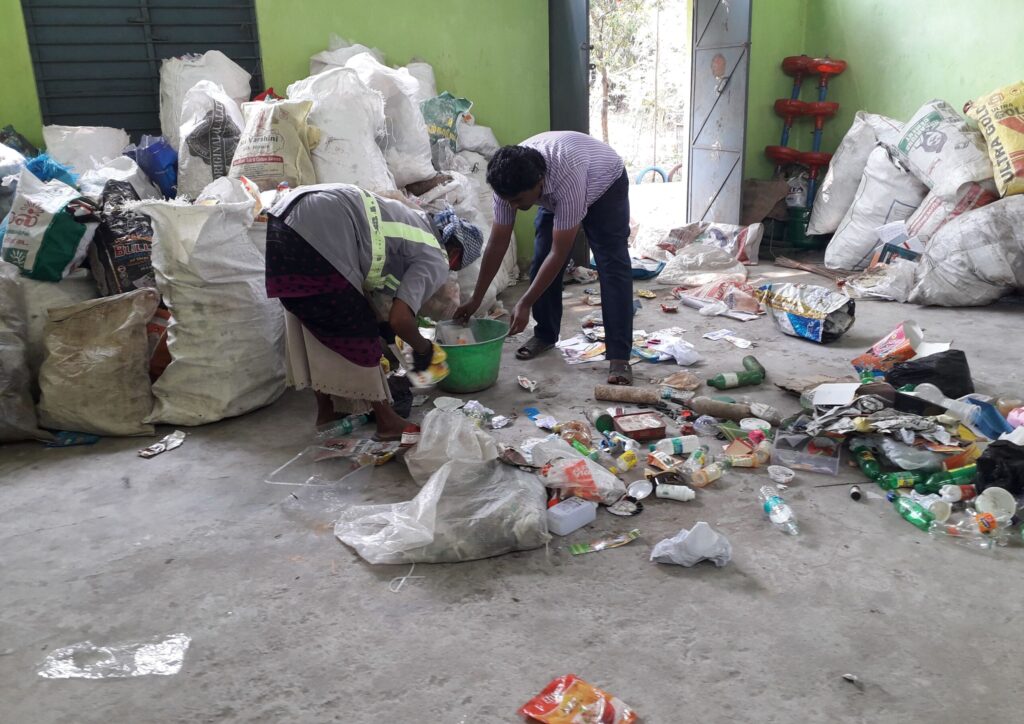
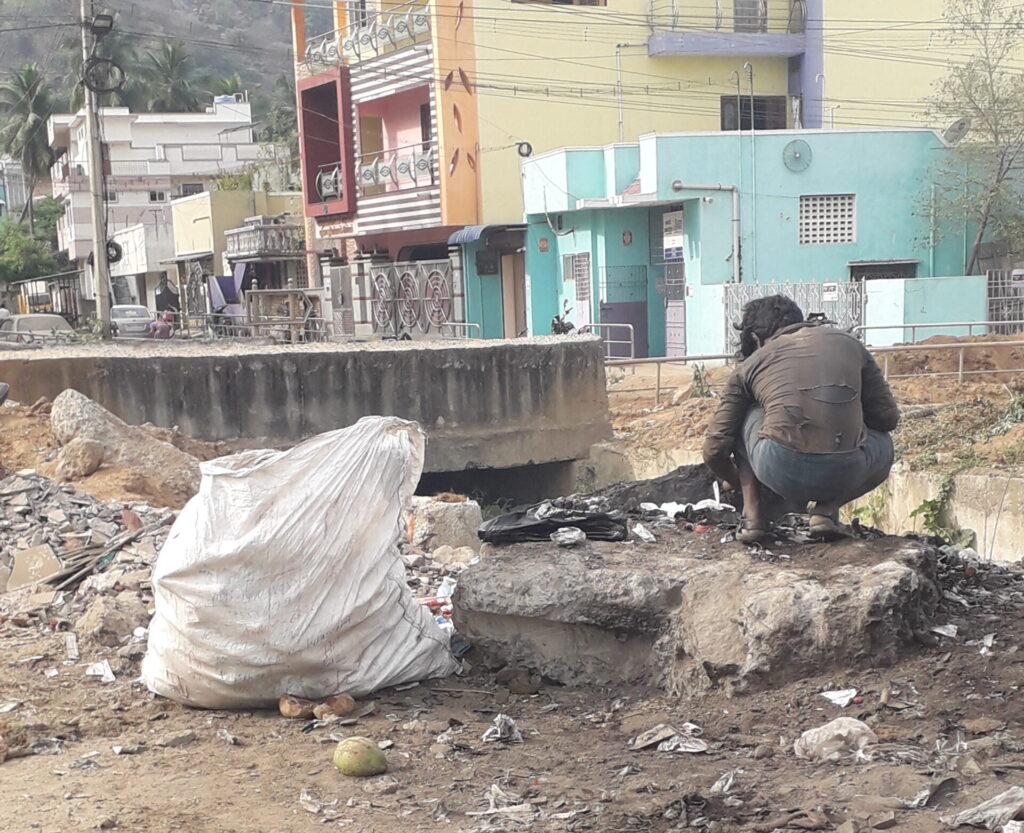
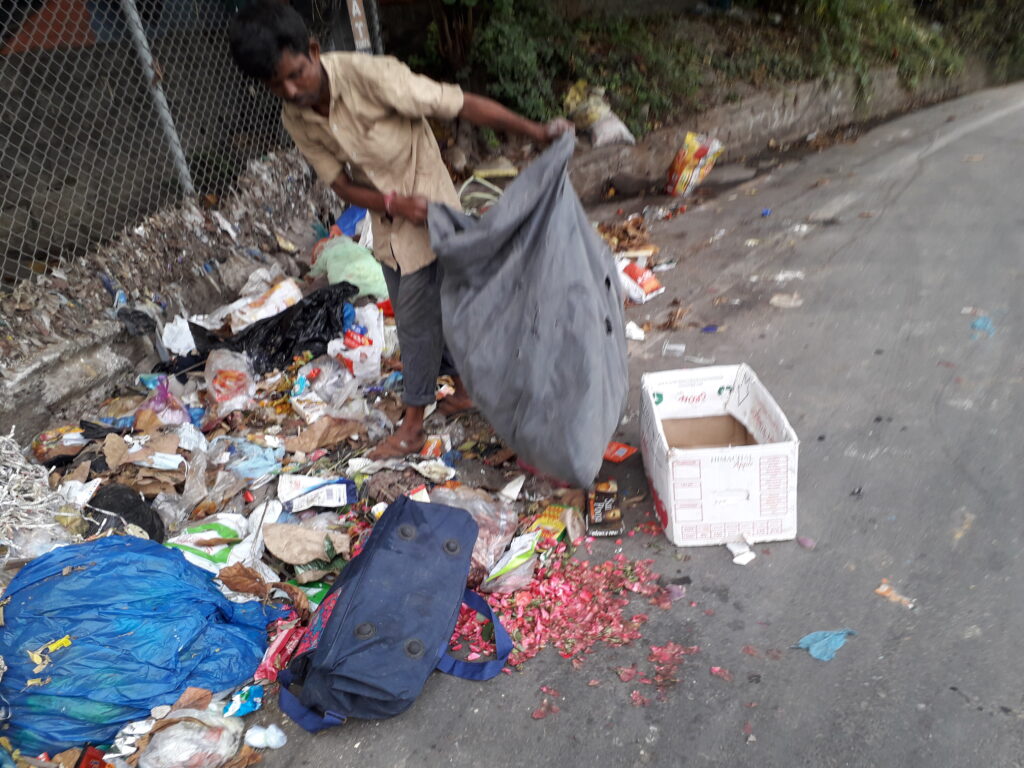
Globally, the informal waste sector employs over 15 million people, with approximately 1.5 million ragpickers in India alone. Despite their essential contribution to recycling, waste segregation, and environmental sustainability, they often work in hazardous conditions without access to healthcare, safety equipment, or social security. Many ragpickers live and work directly in dumping grounds, exposed to toxic waste, leading to severe health issues such as respiratory illnesses, infections, malnutrition, and eye disorders. Studies indicate alarming conditions—80% suffer from eye problems, 73% from respiratory ailments, and many families face tragic child mortality rates. These workers are not just waste collectors—they are key drivers of the circular economy, recovering valuable materials and reducing landfill burden.
Challenges Faced by Informal Waste Workers
Hazardous working conditions without protective gear
Low or irregular income with no formal employment
Social stigma and exclusion from community welfare
Lack of access to healthcare, education, and financial security
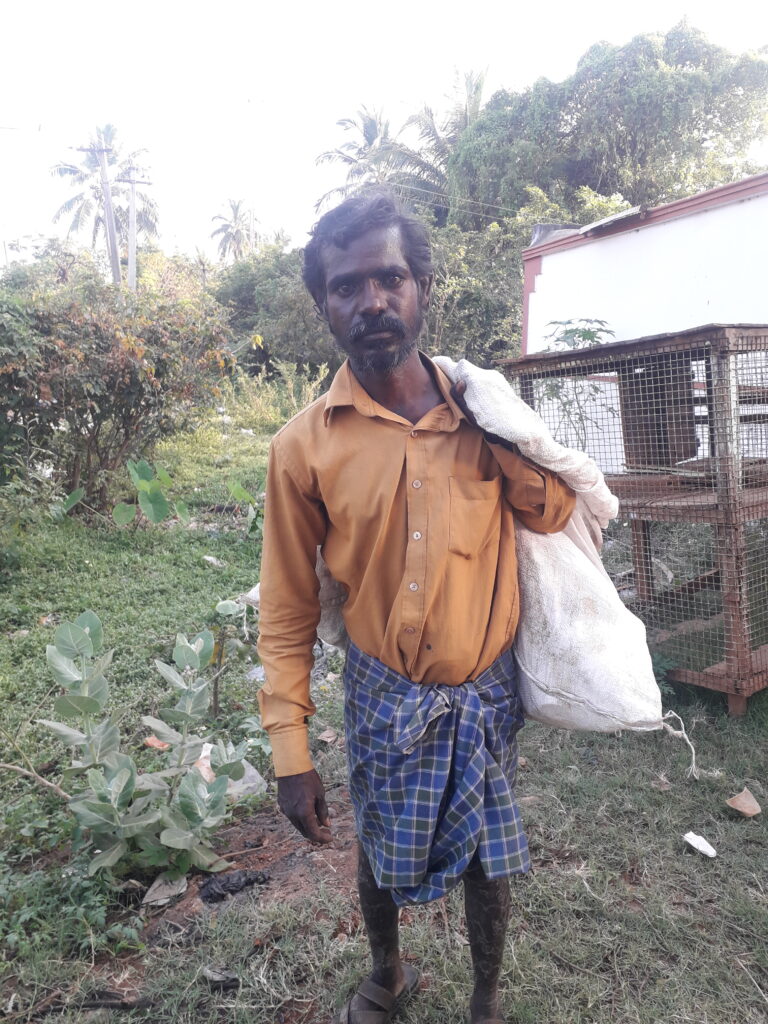
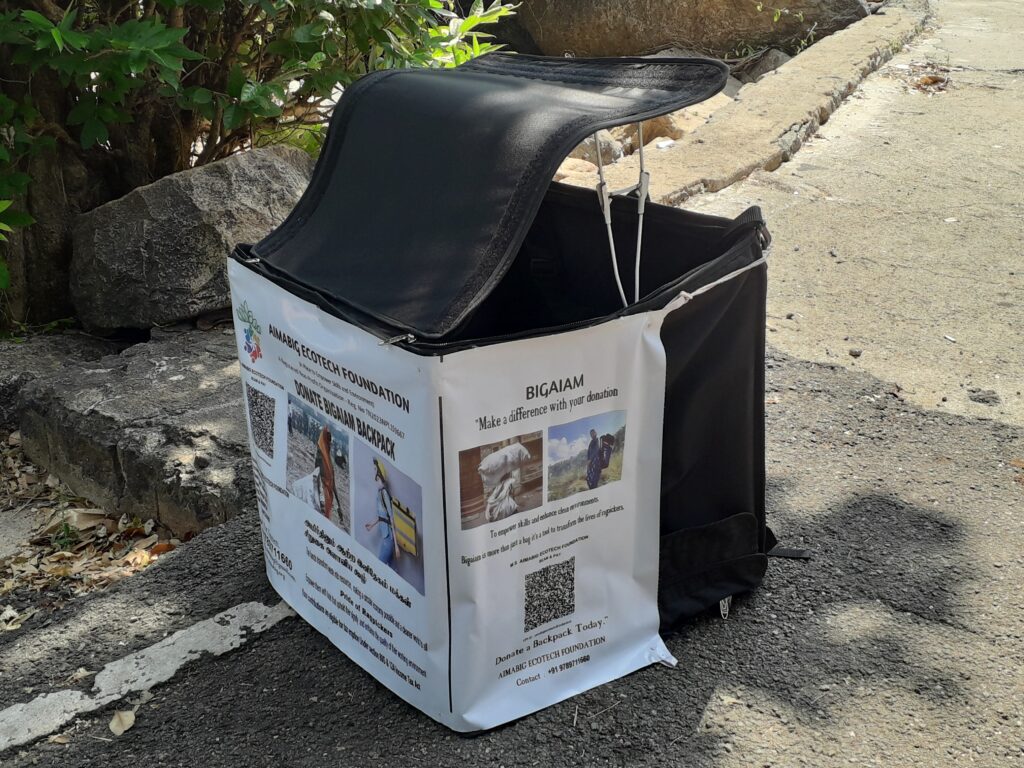
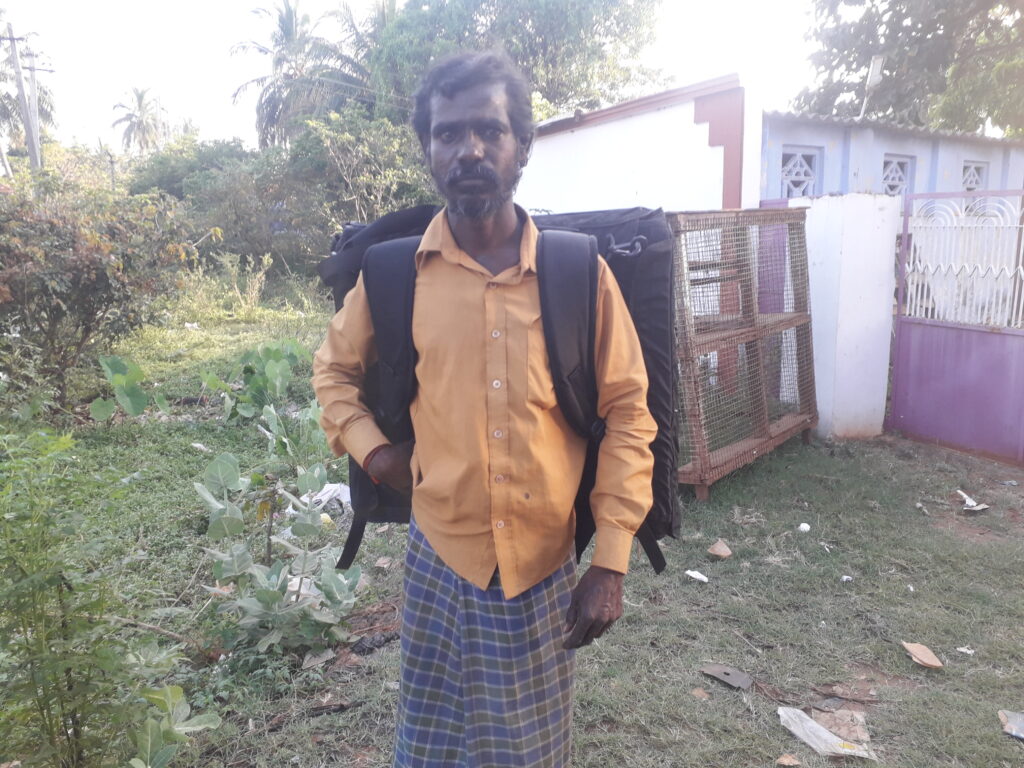
Our Solution: Pride of Ragpickers Initiative
We envision a scalable, inclusive waste management system that protects workers’ rights, creates sustainable livelihoods, and promotes responsible waste practices.
The Pride of Ragpickers program aims to transform the lives of informal waste workers by integrating them into a structured, dignified, safe, and economically sustainable ecosystem. Our approach combines formal employment, innovative tools, skill development, and comprehensive welfare support to improve working conditions and quality of life.
Key Focus Areas
Formal Employment & Dignity
Recognizing ragpickers as professional waste collection workers
Providing fair wages and health benefits
Reducing social stigma and improving social standing to respected with valuing waste management professionals.
Safe Working Conditions
Ragpickers equipping with Protective gear and ergonomic tools
Training in standardized waste handling
Reduced exposure to hazardous materials and improving overall well-being.
Skill Development & Capacity Building
Targeted training programs teach Waste segregation and recycling technique
Operational efficiency for professional growth and sustainable waste management practice
Safe handling and operational efficiency
Entrepreneurship for alternative income
These skills increase earnings, reduce risks, and enable professional growth within the waste management ecosystem.
Tools & Technology for Efficiency
Improved collection backpacks and sorting kits
Context-specific ergonomic equipment
Streamlined waste collection systems
Equipment that increases operational systems, enhance productivity, reduce physical strain, and make work more dignified.
Social Impact & Inclusion
The program fosters social inclusion and community empowerment by:
Fostering community empowerment and reducing stigma
Promoting women and youth leadership
Linking workers to government welfare schemes and social protection
Providing health insurance, financial literacy, and savings support
Community Network in Waste Collection
Encouraging households to participate in a community network for source segregation and responsible waste practices not only strengthens the bond between workers and the communities they serve but also reduces health risks and enhances recycling efficiency.
Enhancing recycling efficiency and material recovery
Strengthening sustainability in rural and urban solid waste management
Circular Economy Integration
Collected waste is efficiently sorted and aggregated for recycling industries, maximizing material recovery and minimizing landfill dependency. Workers are compensated fairly based on quantity and value recovered, making the program a vital part of a sustainable circular economy model.
Through this integrated approach, we would improves:
Economic securitythrough stable employment
Health protectionvia safer working conditions
Social dignityand community recognition
Professional growthin the circular economy
By empowering frontline waste workers, we are not only transforming lives but also creating cleaner, healthier, and more equitable communities, professionalizing the waste management sector and recognizing essential workers as environmental stewards
Support the Pride of Ragpickers Initiative: join local waste drive campaigns, advocate for the rights of informal waste workers, or donate and volunteer to provide safety, tools, and training.
Together, we can transform lives, cities, and the environment.